
Make fall yardwork more manageable with tips on pacing, lighter loads and breaks. Learn when back discomfort warrants an evaluation at Graham Chiropractic.

Ease into fall routines with practical tips for desk work, driving and movement breaks. Explore back and neck comfort with Graham Chiropractic in Clifton Park.

Explore practical desk, phone and movement habits for back and neck comfort. Graham Chiropractic serves Clifton Park and South Cairo, NY. Request an appointment.
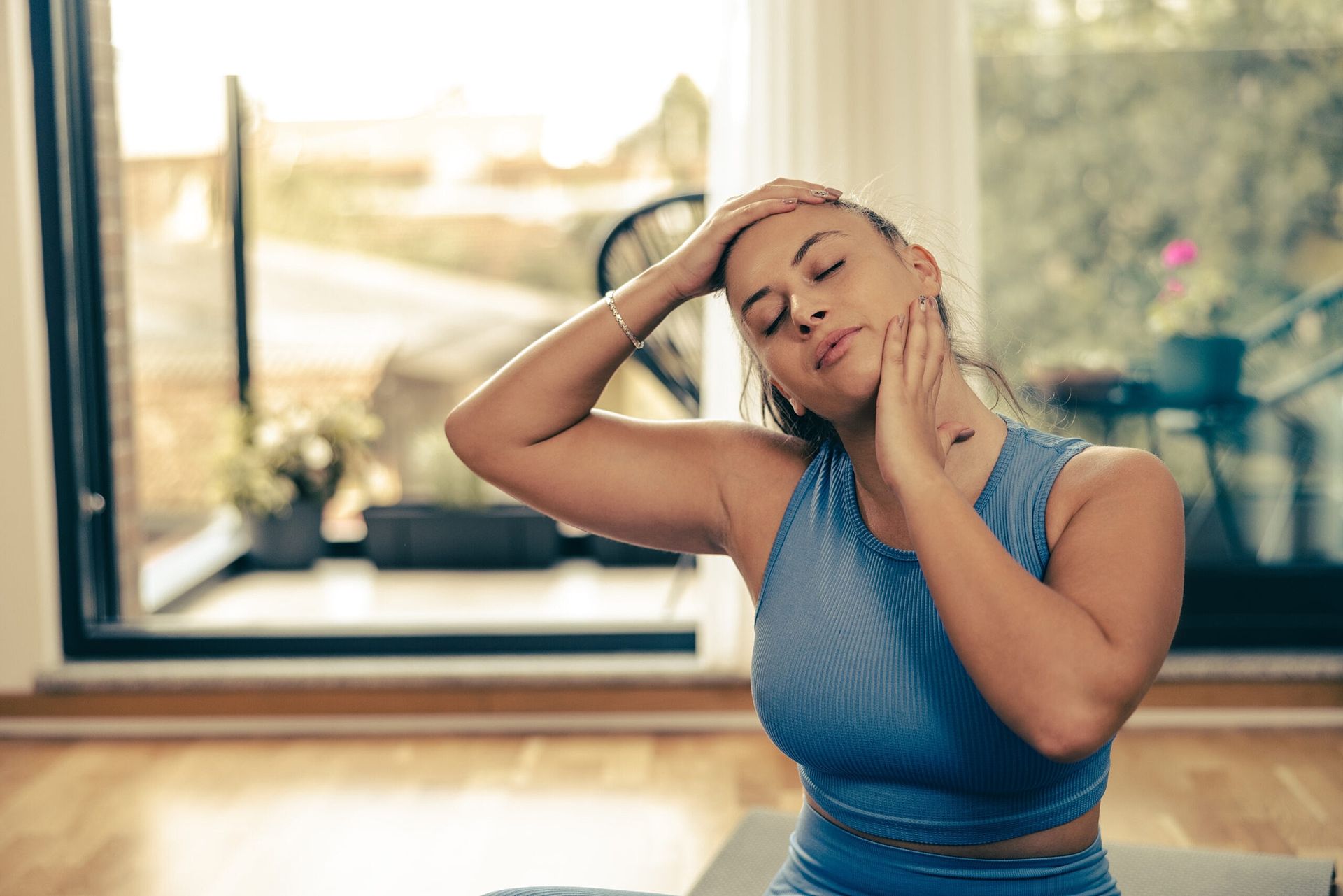
Learn what to consider when back pain returns, how to pace activity and when to seek evaluation. Graham Chiropractic serves Clifton Park and South Cairo, NY.
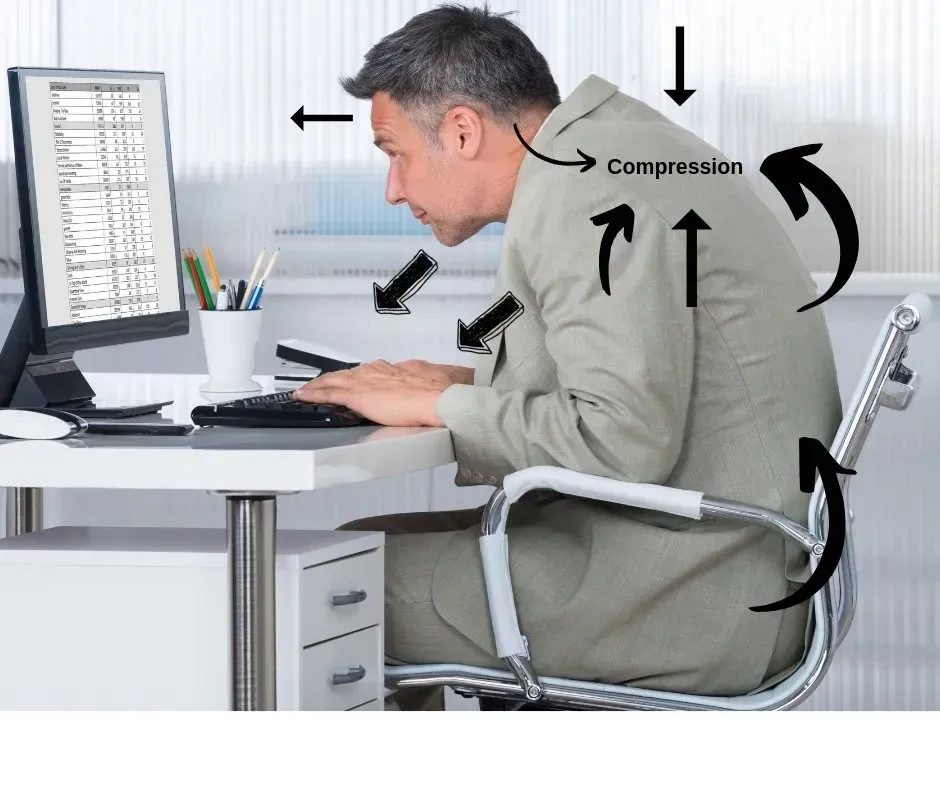
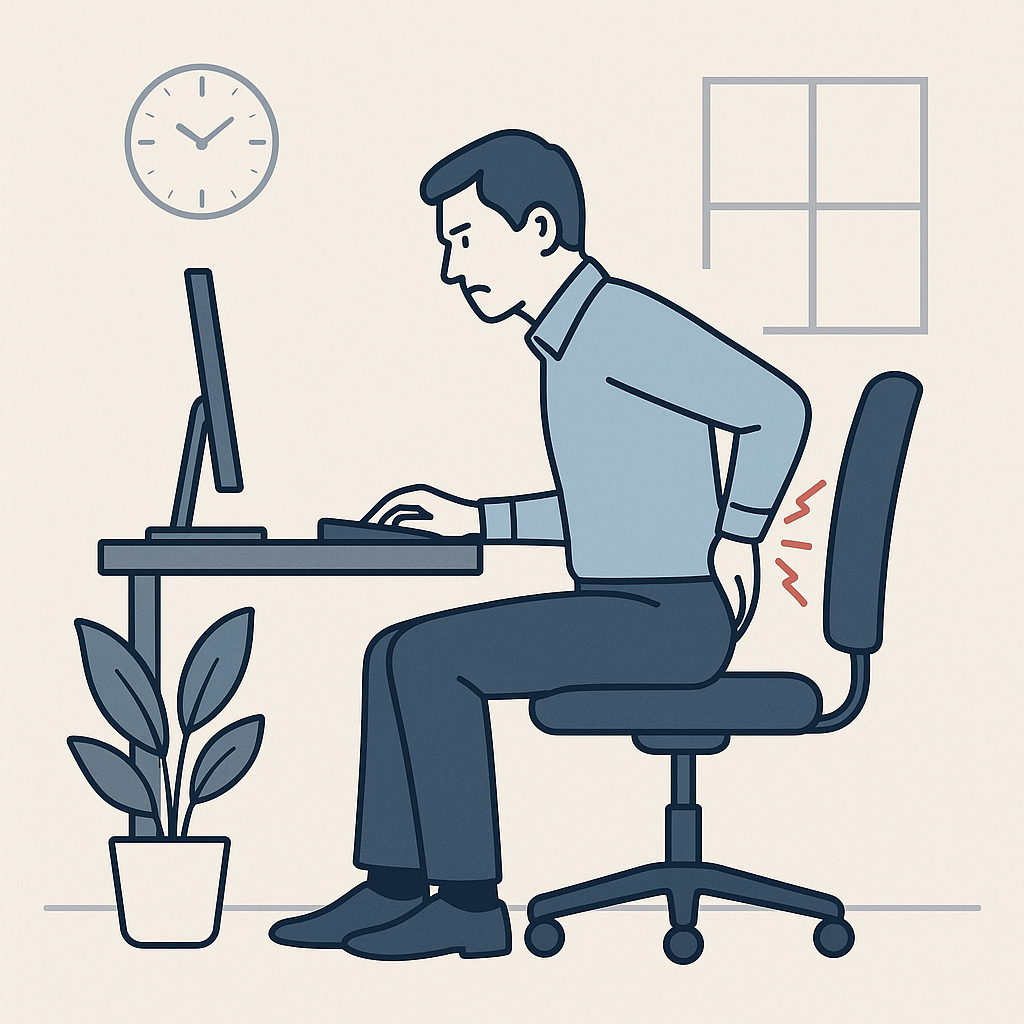
Try simple desk adjustments and movement breaks for a more comfortable day. Graham Chiropractic serves Clifton Park and South Cairo, NY. Request an appointment.
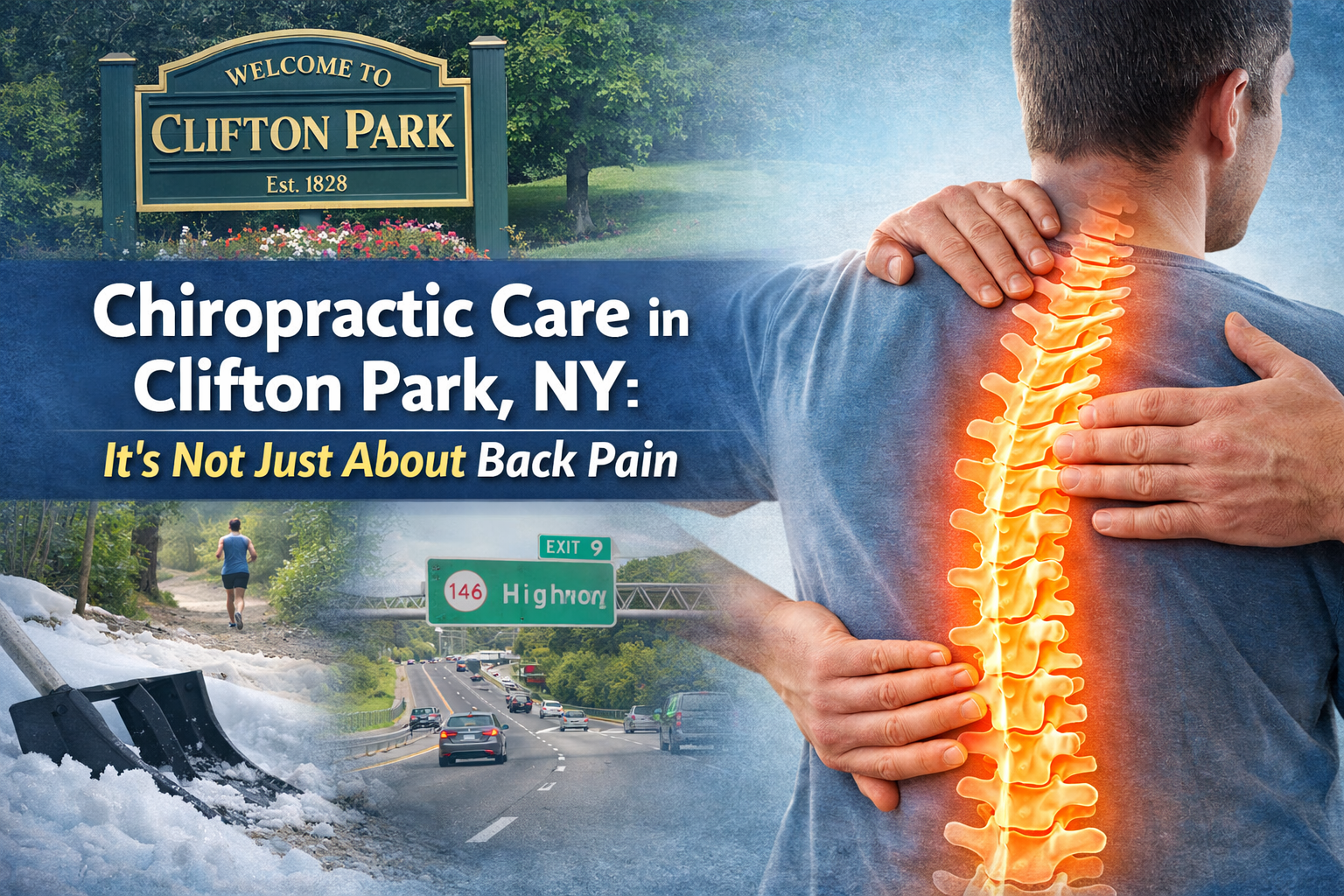
Explore chiropractic care for back and neck discomfort, what to ask at an evaluation and what to expect at Graham Chiropractic in Clifton Park, NY. Book a visit.
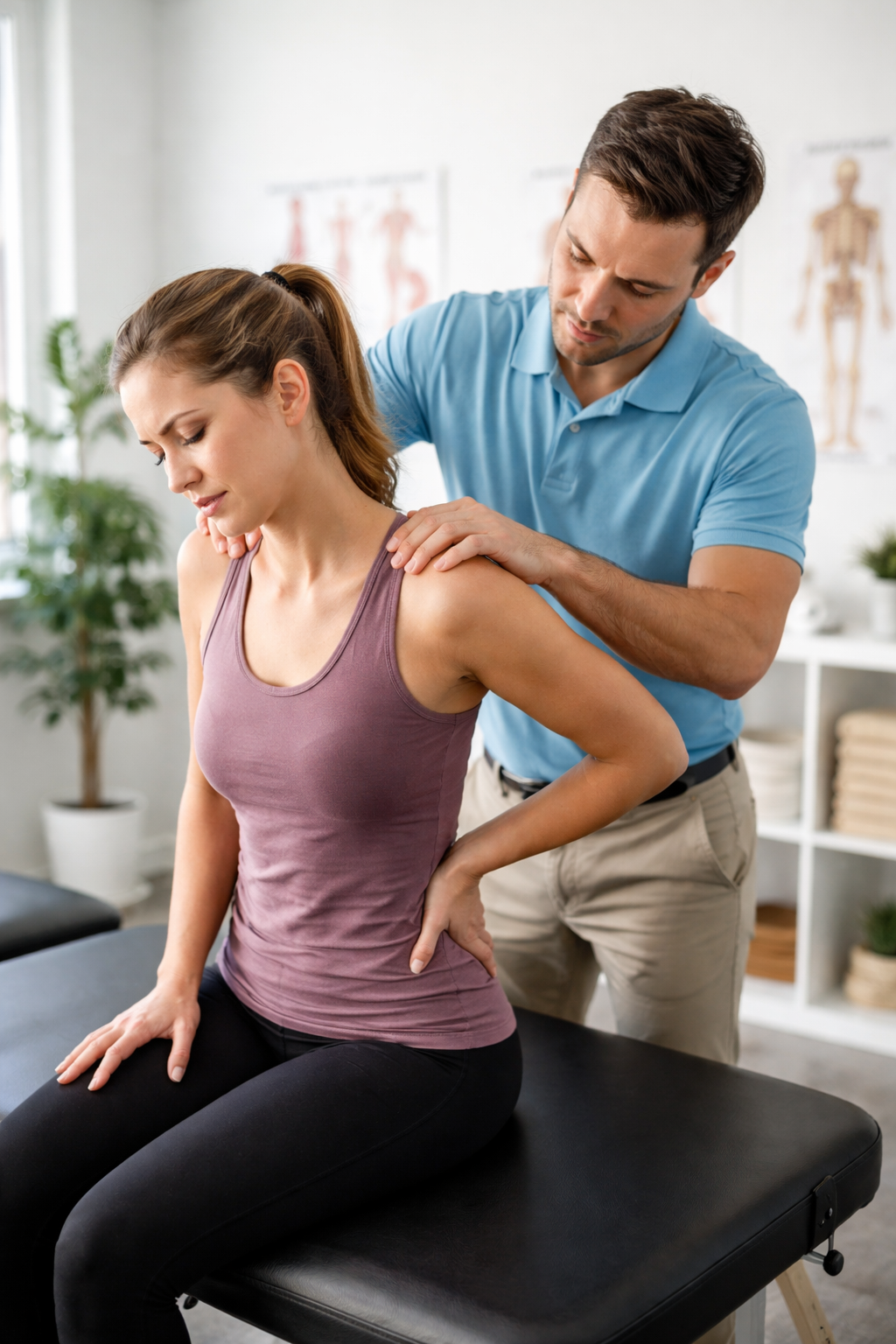
Learn when to monitor a minor ache, when to arrange an evaluation and what symptoms need urgent care. Graham Chiropractic serves Clifton Park and South Cairo, NY.
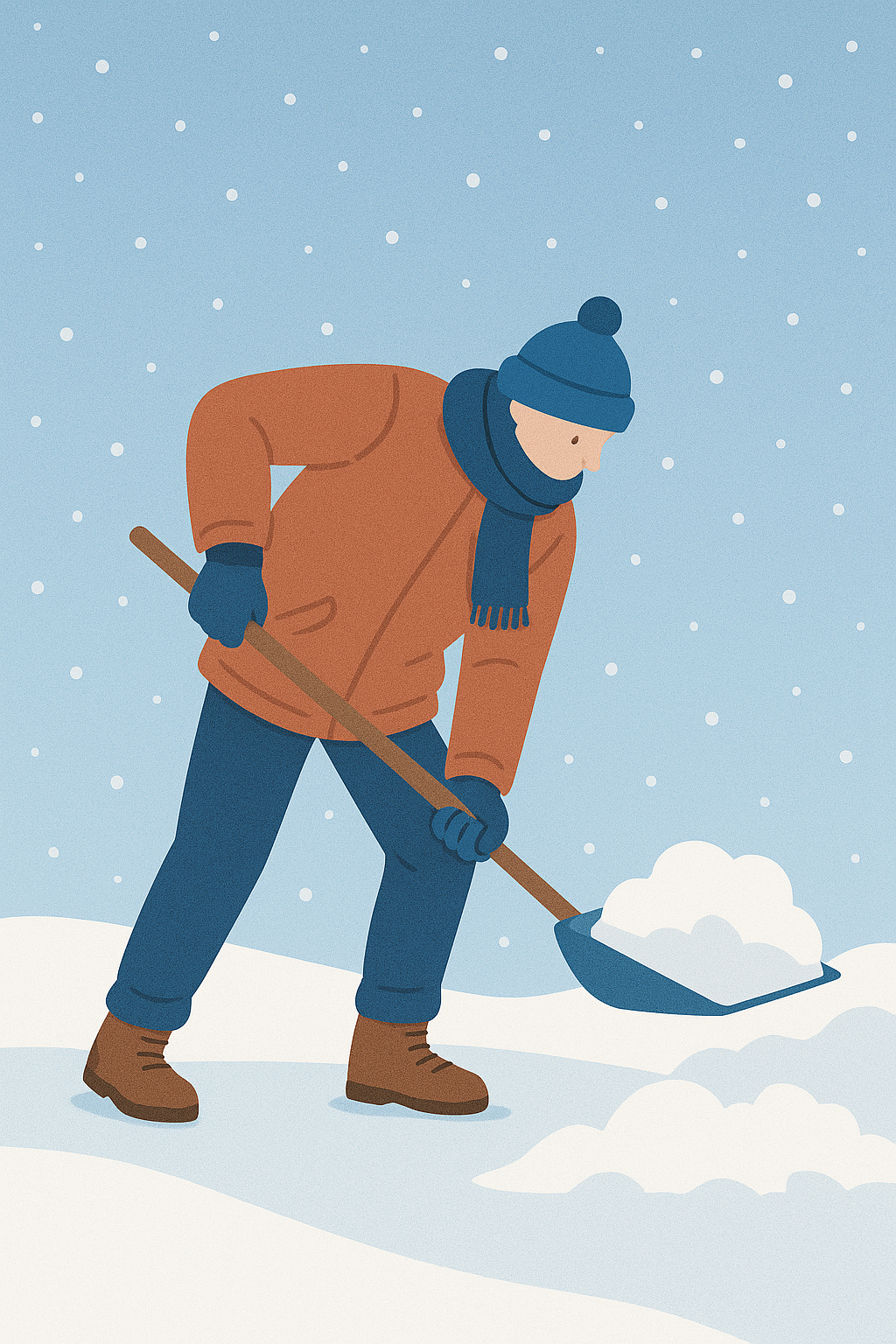
Plan for snow shoveling, slippery paths and winter movement with practical back-care tips. Graham Chiropractic serves Clifton Park and South Cairo, NY. Call today.

Find practical ways to stay active and comfortable during winter. Graham Chiropractic serves Clifton Park and South Cairo, NY. Request an appointment.

Plan holiday travel, carrying and busy days with practical back and neck comfort tips. Graham Chiropractic serves Clifton Park and South Cairo, NY.